I would grab a cup of coffee or tea, this blog post is going to take a little time and try to connect some interesting dots… no, go ahead, I’ll wait…
OK, so the dots I am going to connect range from poetry, real life fact, and AI / technology.
First, Robert Frost’s poem “Mending Wall”. This is one of his most ironic poems. The depth of what is written and what is meant, or at least what a reader might even believe, is extraordinary. And that ambiguity hits the reader in classic Frost style with the ending.
If you’ve never read the poem, follow the link before reading further… really, I’ll wait.
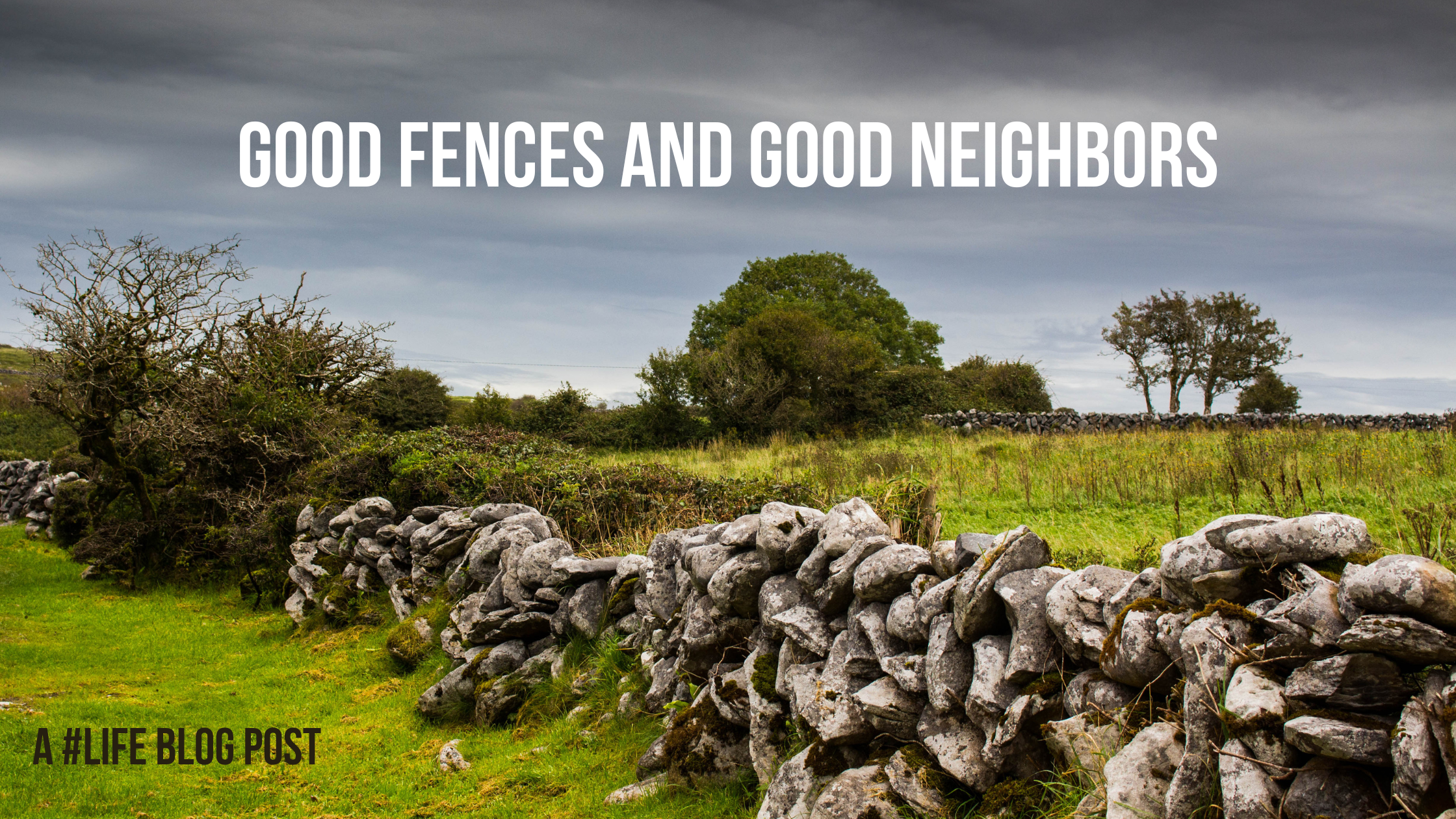
I could (and maybe I should) write an analysis post about this poem, but I want to get to the heart of this dot I want to connect to other moments and the theme of this post. The plot of the poem is simple: Robert Frost and his neighbor meet to repair the stone fence that separates their land. This is a yearly event. One of the major themes is emphasized at the end of the poem, “He says again, ‘Good fences make good neighbors.’”
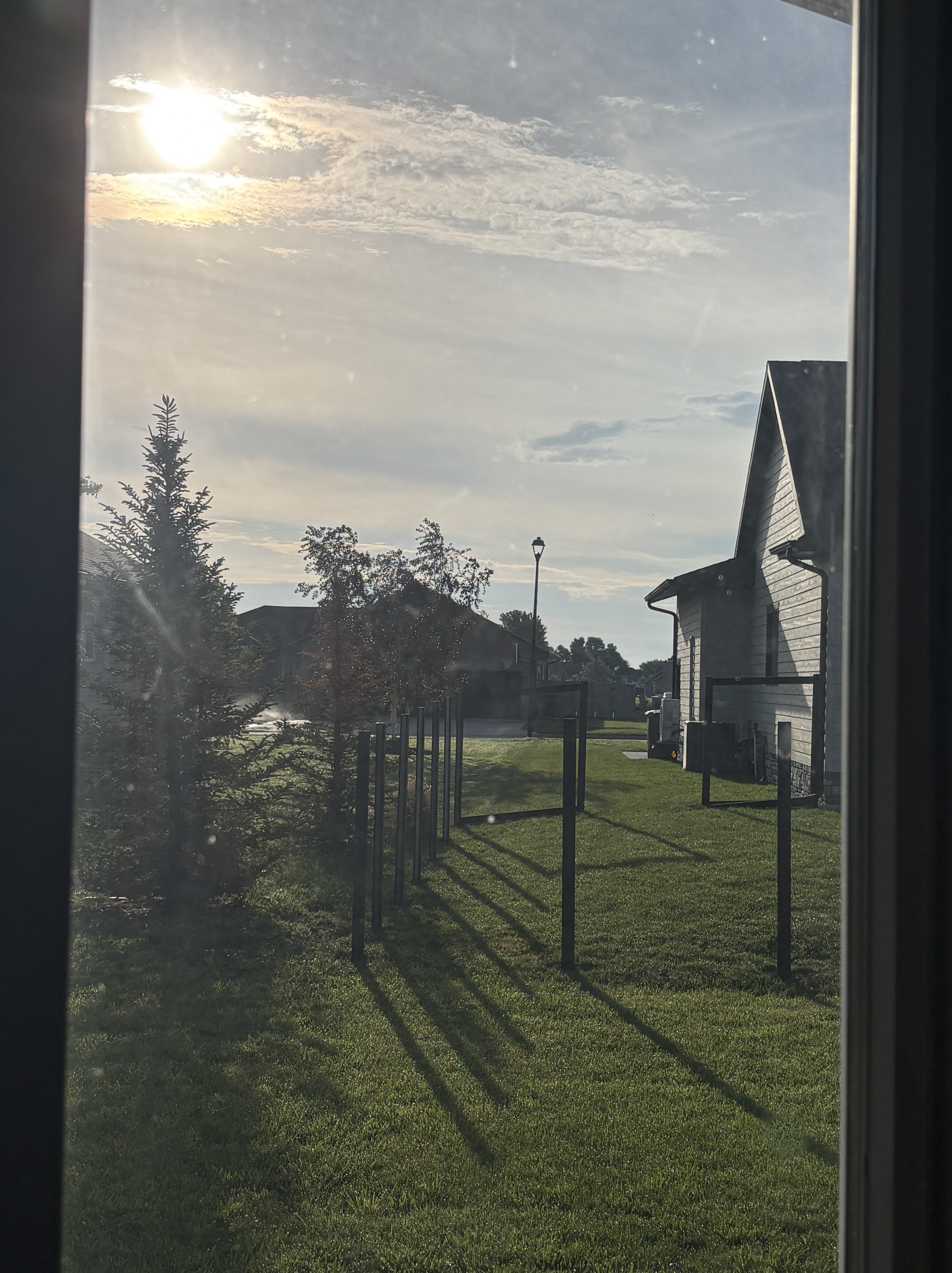
Dot two: My neighbor is building a fence.
Back to the poem and what the line “Good fences make good neighbors” might mean. The word choice is important, ‘Good fences’ and ‘good neighbors’. An important point to remember is that they are working together to mend the stone fence (also described as a wall in the poem). It is important because it highlights the balance of them living their separate lives, yet maintaining a neighborly relationship. In fact in the poem it states that Robert Frost contacts his neighbor about the day to repair the wall.
It is clear from reading the poem that they are not friends, but they are respectful, even if Robert Frost fails at getting to a deeper conversation with his neighbor. (I understand that, “Let’s Not Talk about the Weather.”) They are at least ‘good neighbors’.
Back to dot two. Our neighbors have been in the house less than a year. Most of our backyards meet. The fence will separate their yard from ours. I have never spoken to them. We have acknowledged each other while mowing or out gardening with a smile or a head nod. I do not know why they are building the fence.
Is it a good fence? Not sure.
I do recognize that I am not a good neighbor in the classical sense.
Which brings us to dot three.
Technology / AI and its effect on the idea of a good neighbor.
Part of the draw of technology, of social media, of even AI, is that it was supposed to break down the physical and personal walls of our lives. We could find community anywhere in the world. We could share ideas, our art, our hobbies, share ourselves to the world. And it can do that. I have people on X (the app formally known as Twitter) that would be good friends in real life. But I’ve never met them in person.
The ironic aspect is that the idea was no barriers, no walls, no fences… but that is not how the internet works. We have different fences, and I’m not sure they are ‘good’. We can live behind fictional handles / accounts. Now with AI, we can automate our very existence. Let it write or respond to email, let AI post on Instagram as us, or to a fictional account we create.
Sadly we are fencing ourselves in by not being ourselves, by letting ChatGPT think for us, by removing any of the work it takes to discover our talents. Even what we are not good at is an important step in becoming who we are. Technology is not a good fence. Being a good neighbor is about understanding who we are through our successes and struggles. Learning what is valuable to our souls. To understand that our neighbors are people who are trying their best to live their lives.
I do wonder why my neighbor is building a fence. Robert Frost’s poem delves into deeper themes (that I might just write more about) of this life. And I am using technology now with this blog post, but my goal is be a good neighbor for you reader, as you work on living on your side of this fence.